In today’s healthcare landscape, chronic diseases and long-term health conditions have become increasingly common. Millions of people worldwide struggle with managing illnesses such as diabetes, hypertension, heart disease, and respiratory disorders. To address this growing challenge, healthcare providers and organizations have turned to a structured approach known as a condition management program. These programs play a crucial role in helping individuals take control of their health, improve their quality of life, and reduce healthcare costs.
What is a Condition Management Program?
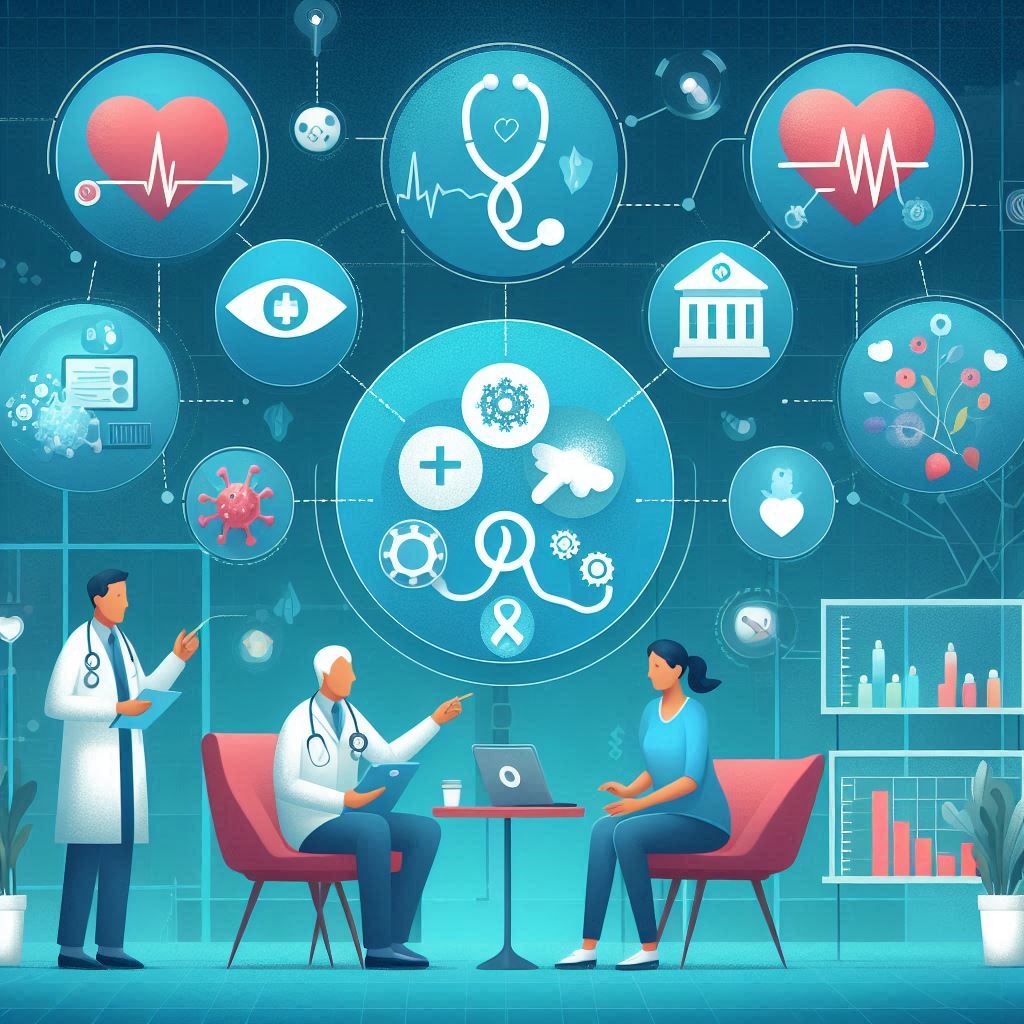
A condition management program is a teleradiology services in india comprehensive, patient-centered initiative designed to help individuals manage chronic health conditions effectively. These programs focus on education, lifestyle changes, regular monitoring, medication adherence, and timely medical interventions. The primary objective is to empower patients with the knowledge and tools necessary to actively participate in managing their conditions and avoid complications.
Condition management programs are typically offered by healthcare providers, insurance companies, wellness organizations, and digital health platforms. They are especially beneficial for individuals with long-term conditions that require continuous care and monitoring.
Why is Condition Management Important?
Chronic diseases often require lifelong care and can significantly impact an individual’s well-being and daily functioning. Without proper management, these conditions can lead to severe complications, frequent hospitalizations, and increased healthcare expenses.
Here’s why condition management is vital:
- Improved Health Outcomes: These programs help patients better understand their conditions, resulting in better symptom control and reduced disease progression.
- Preventive Care: Early detection of potential complications helps avoid emergencies and hospitalizations.
- Enhanced Quality of Life: With the right support and education, individuals can lead active, fulfilling lives despite chronic illnesses.
- Reduced Healthcare Costs: Preventive care, regular monitoring, and improved self-management help reduce the need for expensive medical interventions.
- Patient Empowerment: Educating patients about their conditions enables them to make informed decisions about their health.
Key Components of an Effective Condition Management Program
A well-designed condition management program typically includes several essential elements to ensure its success:
- Personalized Health Assessment: Understanding each patient’s health status, risk factors, and medical history to tailor the program accordingly.
- Education and Counseling: Providing reliable information about the condition, treatment options, lifestyle modifications, and self-care techniques.
- Regular Monitoring: Ongoing health check-ups, tracking vital parameters, and monitoring disease progression to prevent complications.
- Medication Management: Ensuring patients follow prescribed medications properly, addressing side effects, and adjusting dosages when necessary.
- Behavioral Support: Offering psychological counseling, motivation, and behavior change techniques to help patients adopt healthier habits.
- Care Coordination: Collaborating with healthcare providers, specialists, and support networks to provide comprehensive care.
- Digital Tools: Using mobile apps, telehealth services, and remote monitoring devices to enhance accessibility and patient engagement.
The Growing Demand for Condition Management Programs
As chronic diseases continue to rise globally, the need for condition management programs has never been greater. Modern lifestyles, unhealthy eating habits, sedentary behavior, and increasing stress levels have all contributed to the surge in long-term health conditions.
Employers, insurance companies, and healthcare providers are increasingly recognizing the value of these programs in promoting healthier populations and controlling healthcare expenditures. In particular, the COVID-19 pandemic highlighted the importance of remote health management and virtual care, further accelerating the adoption of condition management solutions.
Technology and the Future of Condition Management
The integration of technology has revolutionized condition management. Wearable devices, mobile health apps, and telemedicine platforms enable real-time health monitoring, making it easier for patients to stay on top of their conditions. Artificial intelligence and predictive analytics are being used to identify potential health risks and intervene early, preventing complications and improving outcomes.
Furthermore, personalized health coaching and virtual consultations ensure that patients receive ongoing support from the comfort of their homes.
Conclusion
A condition management program is more teleradiology services than just a treatment plan—it is a proactive, patient-focused approach to dealing with chronic illnesses. By empowering individuals with knowledge, resources, and continuous support, these programs not only improve health outcomes but also contribute to reducing the overall burden on healthcare systems. With advancements in technology and increasing awareness, condition management will continue to play a pivotal role in shaping the future of healthcare.

 digitaldata
Leave a comment